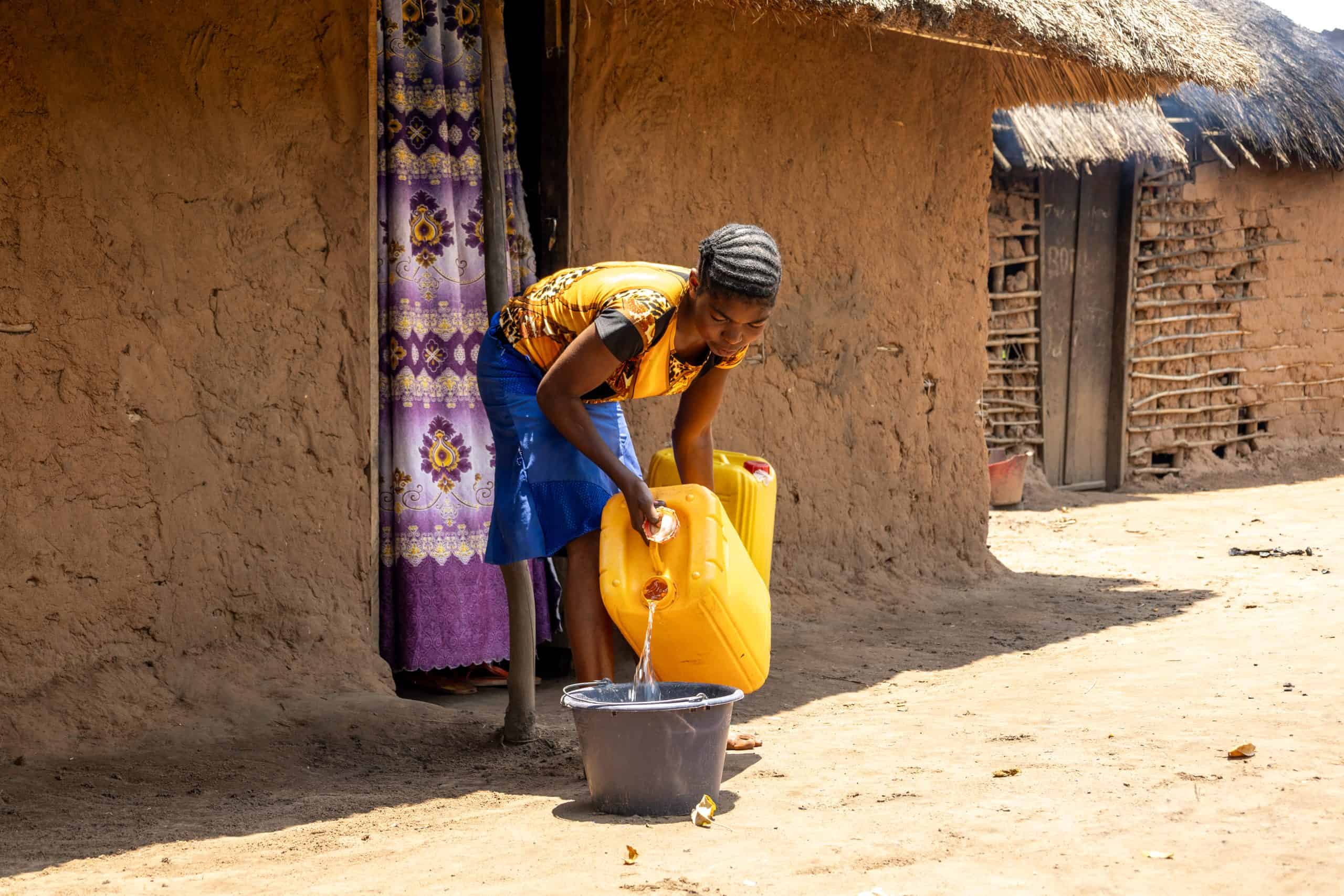
Every year on March 22, the world pauses to reflect on a resource that most Americans take for granted: clean water. Open a tap. Fill a glass. The water is just there. But for more than two billion people on this planet, water is not a convenience. It is a daily crisis, and the burden of this crisis falls almost entirely on women and girls.
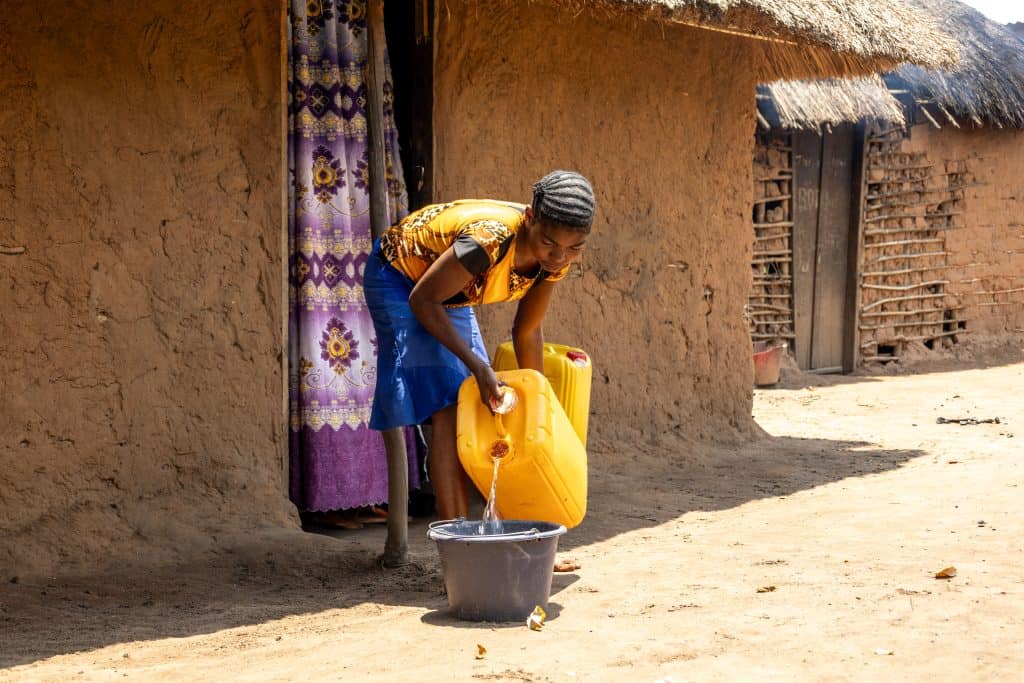
This year, the United Nations chose the theme of World Water Day 2026Water and Gender, The European Union campaign was marked by the campaign slogan:“Where water flows, equality grows.”The theme is a recognition that the global water crisis is not just an environmental or infrastructure issue. This is a gender justice issue that lurks in plain sight in a statistic that is impossible to forget once you hear it:
In 53 countries, women and girls spend a total of 250 million hours each day fetching water, more than three times the time men and boys spend fetching water. This figure represents the equivalent of more than 28,000 years of human labour, which are not taken into account in the productionactivity, education and civic life every 24 hours. (UN Women/UNDESA, 2024).Use Sachet
The numbers behind inequality
The scale of the gender gap in water is staggering. 1.8 billion people still do not have safe drinking water on site and, in two out of three households, women are primarily responsible for water collection (WHO/UNICEF, 2023). In the 53 countries for which data are available, women and girls spend 250 million hours a day collecting water. That's three times more than men and boys (UN Women/UNDESA, 2024). That's so much time wasted on school, income, safety, and civic life.
The consequences of unsafe water are felt from the first hours of life. Unsafe water, sanitation and hygiene kill about 1,000 children under the age of five every day.WHO/UNICEF, 2023). Nearly half of all newborn deaths worldwide occur in health facilities without a water source (WHO/UNICEF, 2023), meaning that water scarcity ends lives in the very places that are supposed to protect them.
However, the people most affected are the least represented in the decisions taken. In 14% of countries, women still do not have a formal role in water decision-making (UNEP-DHI, GWP, UN Women, 2025). Globally, women make up just over one-fifth of the water sector workforce (Word Bank, 2026). The vast majority of people who design the pipes and policies are not the people most affected by their failures.
The people who cause inequality
Abstract statistics are limited in scope. To understand what these numbers mean for a human life, travel in your imagination to Nfuanka, a village in the locality of Kamuesha in Kasai Province, Democratic Republic of Congo, about 100 kilometers from the provincial capital of Tshikapa. For decades, the only water available to this community came from an unprotected and contaminated source. The result has been a relentless cycle: cholera, typhoid, diarrhea, and the particular cruelty of water-borne diseases that hit the youngest and most vulnerable hardest.
For Ngalula Kadiomba Elysée, a 53-year-old resident of Nfuanka, daily life comes down to walking miles on isolated paths to bring back a few liters of water. And she wasn't the only one. This task fell to all the women of the village, and especially to the young girls, invisible labour behind a chore that deprived them of school, security and childhood. In 2020, the hidden danger of these steps became terribly real when a young girl was attacked on her way to fetch water. The community's water supply cost more than effort. It cost lives.
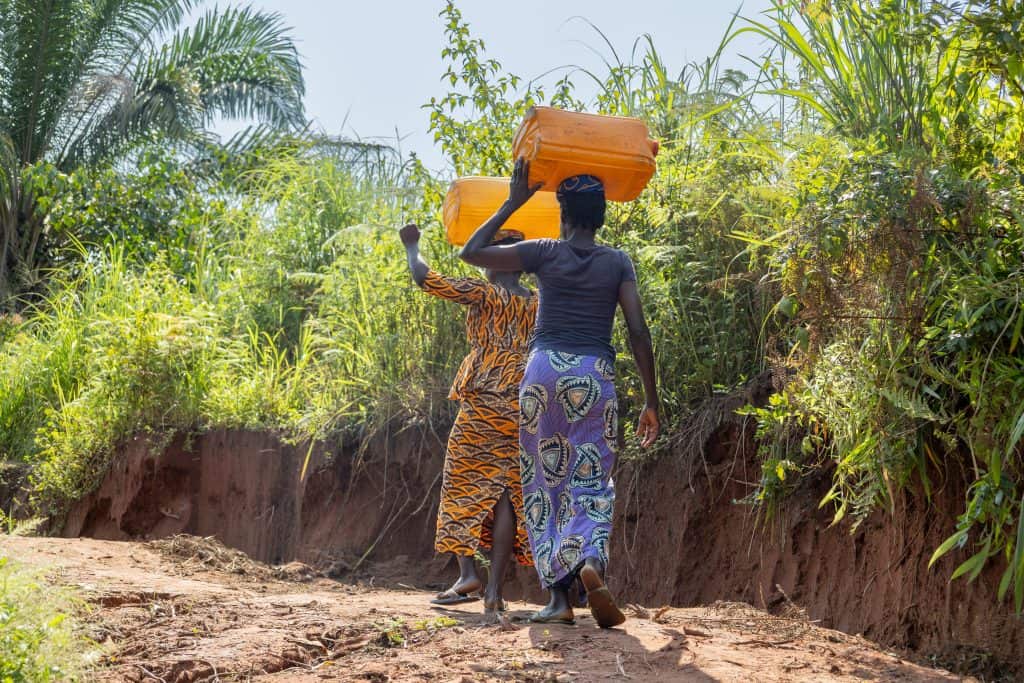
In 2025, the ADRA TUDIENZELE project chose to rehabilitate the Kabilala spring in Nfuanka. But what made this intervention different was not just the engineering. It was about who was in the room when the decision was made. For the first time in the community's history, women, youth and people with disabilities have been formally included in the planning dialogue. The project placed inclusion not as an afterthought, but as architecture itself.
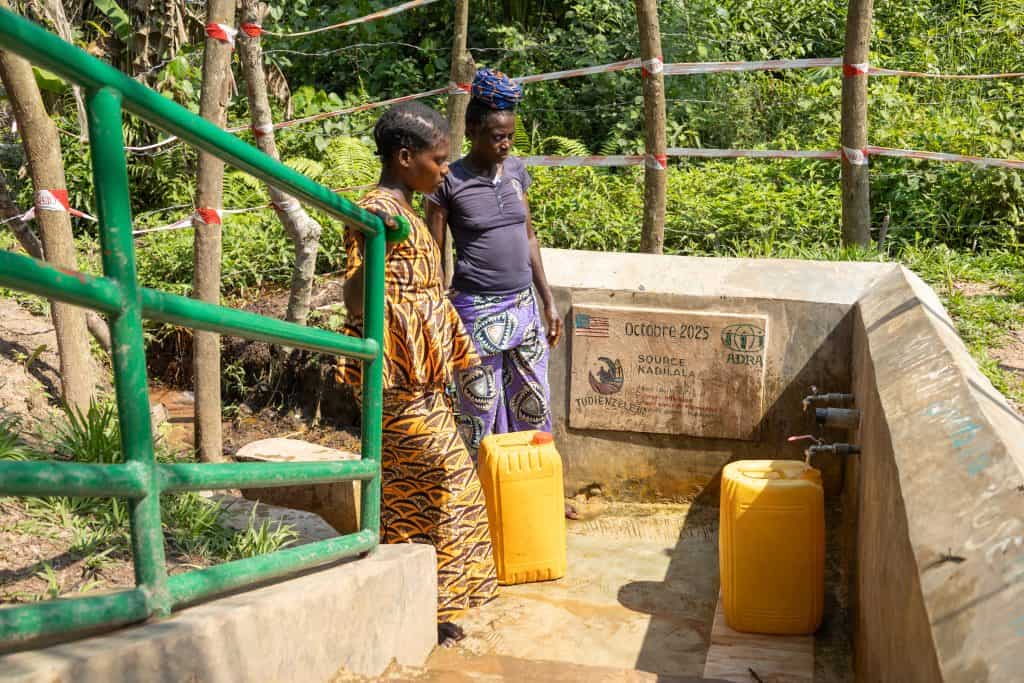
This approach reflects exactly what the World Water Day campaign is calling for today on a global scale: a transformative, rights-based model in which women's voices and actions are not simply tolerated, but seen as essential to building systems that actually work. When the rehabilitation of the Kabilala spring was completed in October 2025, it was not just a water infrastructure. It was proof of what inclusion can build.
The changes that have occurred in Nfuanka since the rehabilitation of the source are measurable and immediate. Gilbert Ntumba, Chair of the Community Health Development Committee, has seen a sharp decline in waterborne diseases during his home visits. The new water point management committee has three women among its seven members. And in a striking act of community autonomy, residents collectively contribute 3,000 Congolese francs (about $1.10 USD) each month to finance the maintenance and repair of the source. The community doesn't just have clean water. It owns and maintains its clean water.
For Denise Nduaya, a 16-year-old girl living in Nfuanka, the change is not measured in terms of political victories or seats on committees, but in minutes. “I go to fetch water without fear and arrive at school on time,” she says, smiling. Water is no longer an obstacle between it and its future.
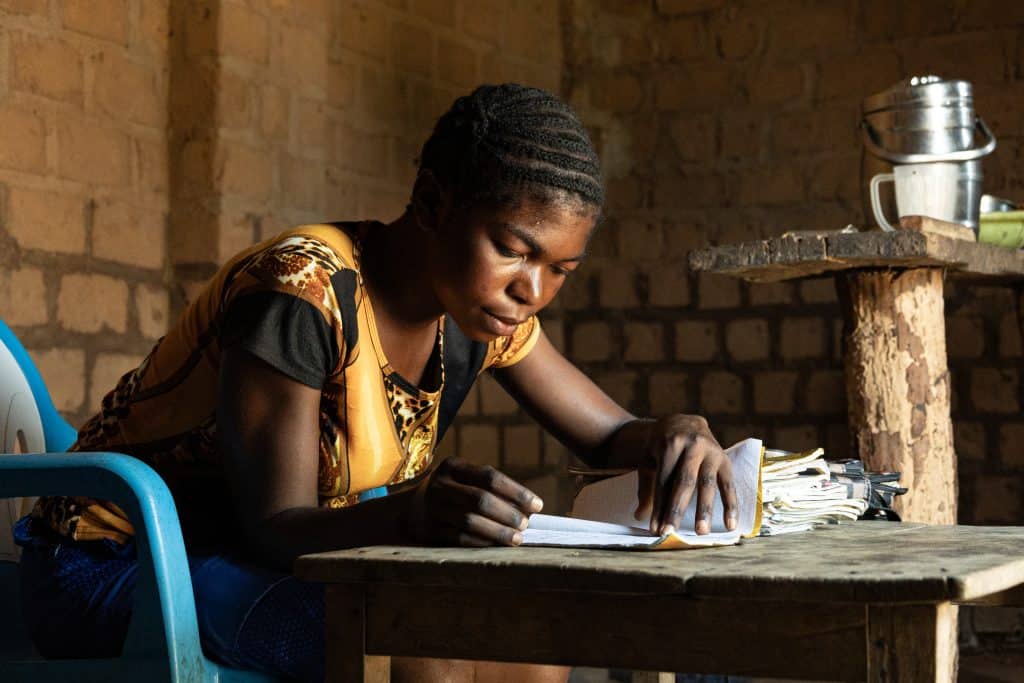
Ngalula, who once walked these lonely paths in fear, dreams even bigger: “My hope is to see the girls of Nfuanka become the future hydraulic engineers of the Kasai, so that they can build springs for others.”
The impact of TUDIENZELE and the sequence of events
Nfuanka isn't the only one. In the health zones of Kamonia, Kamuesha, Kanzala and Tshikapa, ADRA'S TUDIENZELE project has rehabilitated 30 springs - providing cleaner and more dignified water to more than 15,000 people, including 7,785 women. Each of these sources carries the same philosophy: water solutions built without women are water solutions that will let down the people who need it most.
World Water Day 2026 is not abstract. She finds her answer in the clay soil of Kasai province, a rehabilitated spring, a woman in power, a girl going to school safely at the same time.